
RIDE RECAP:
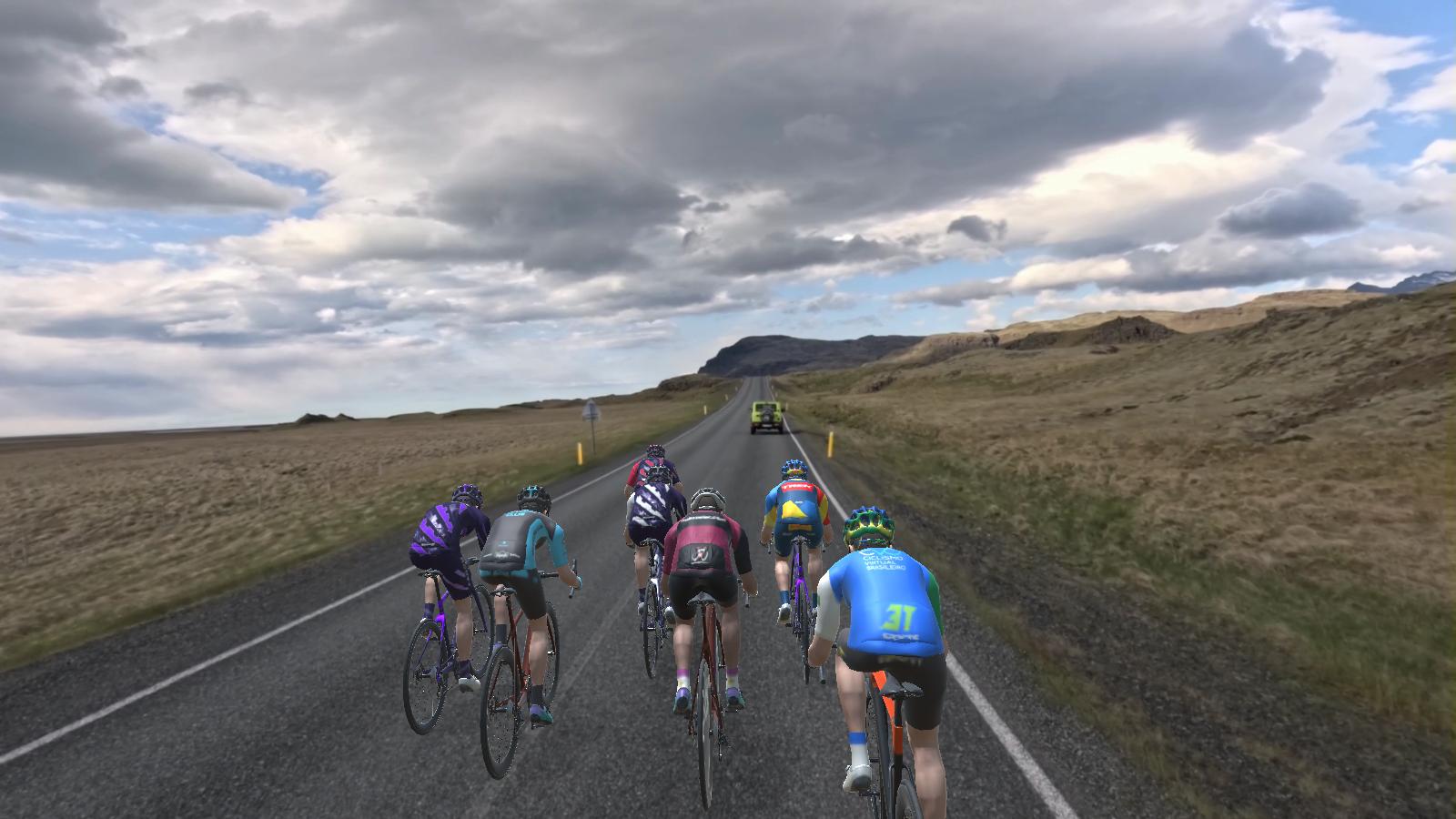
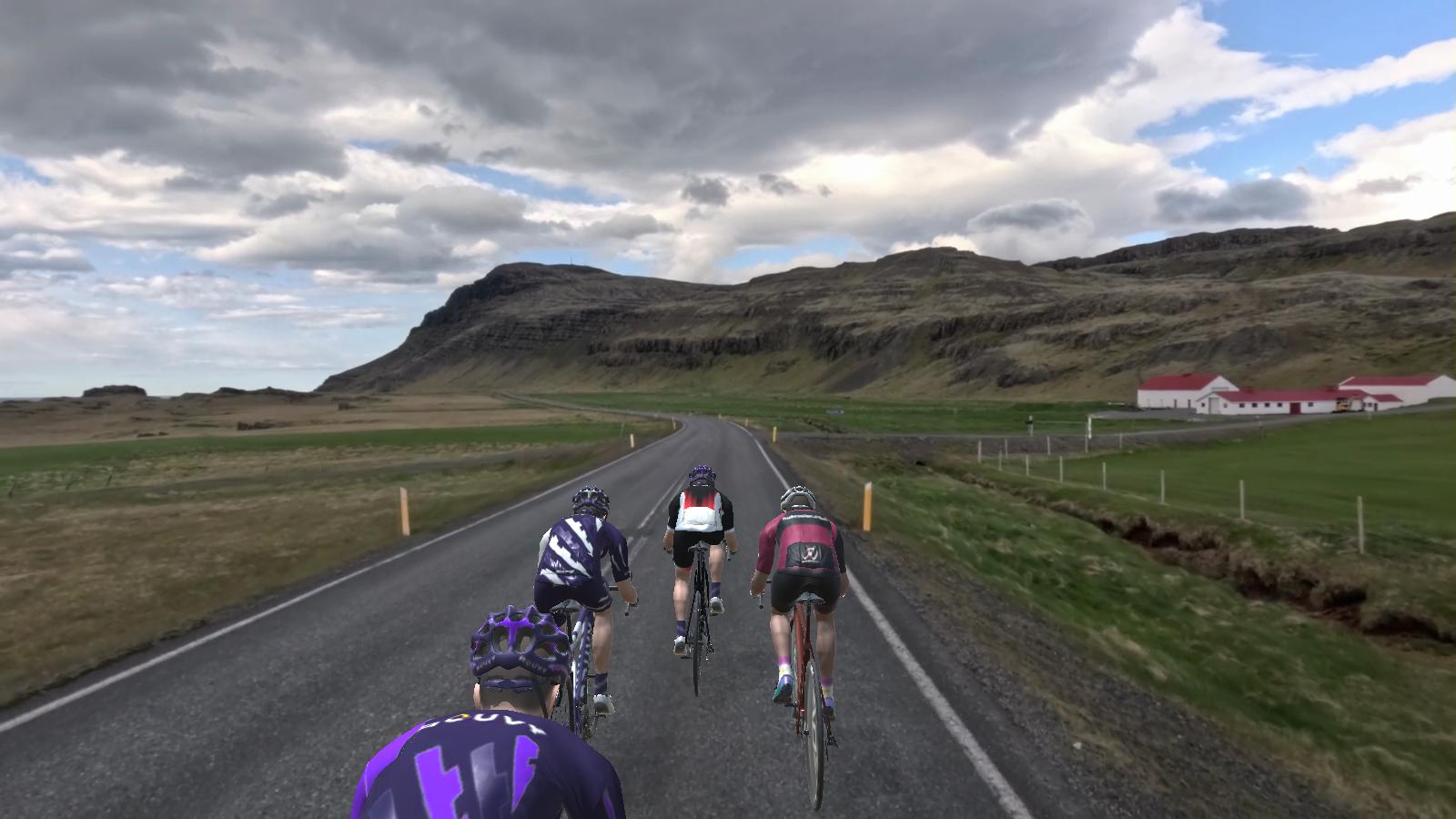
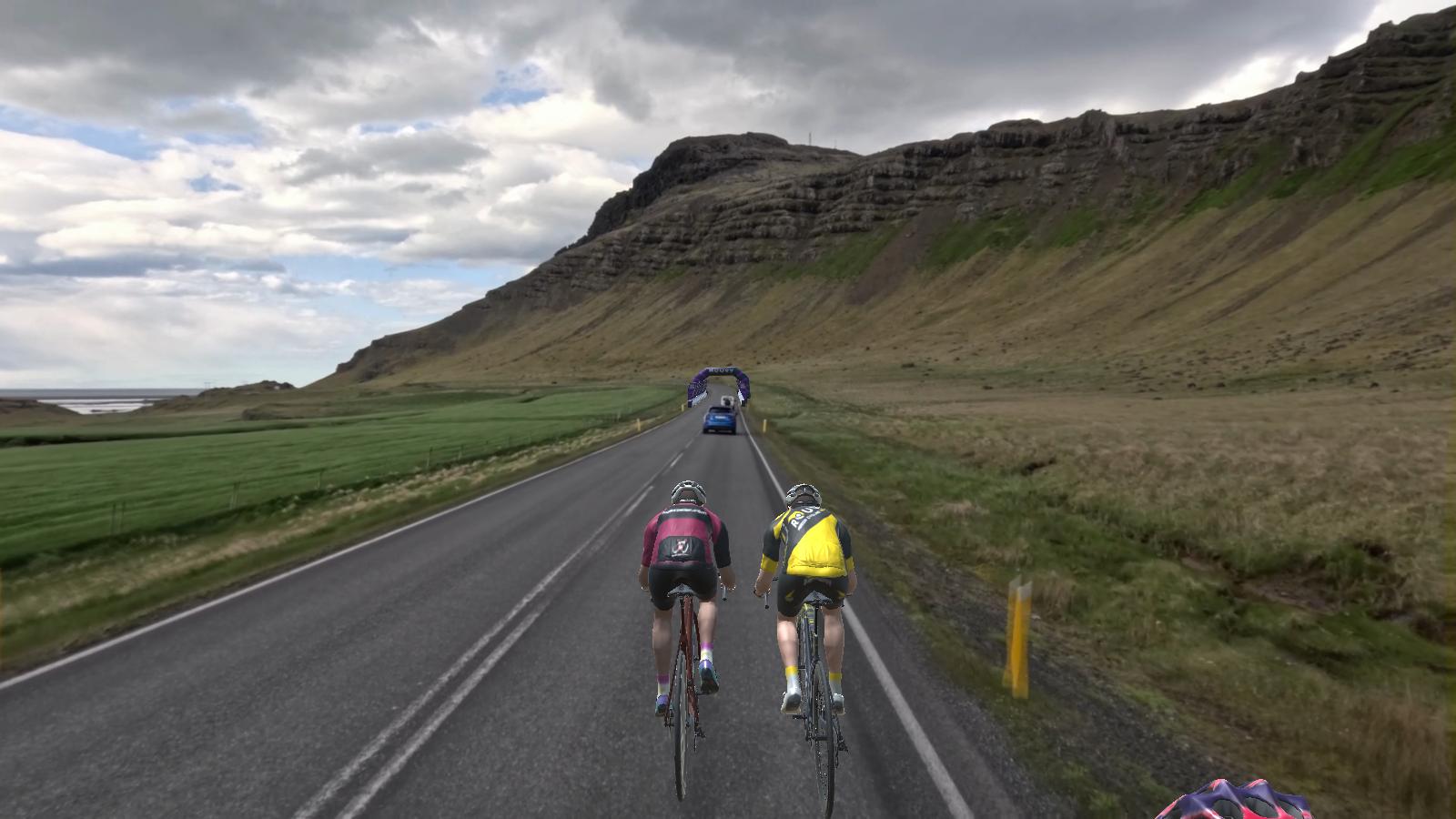
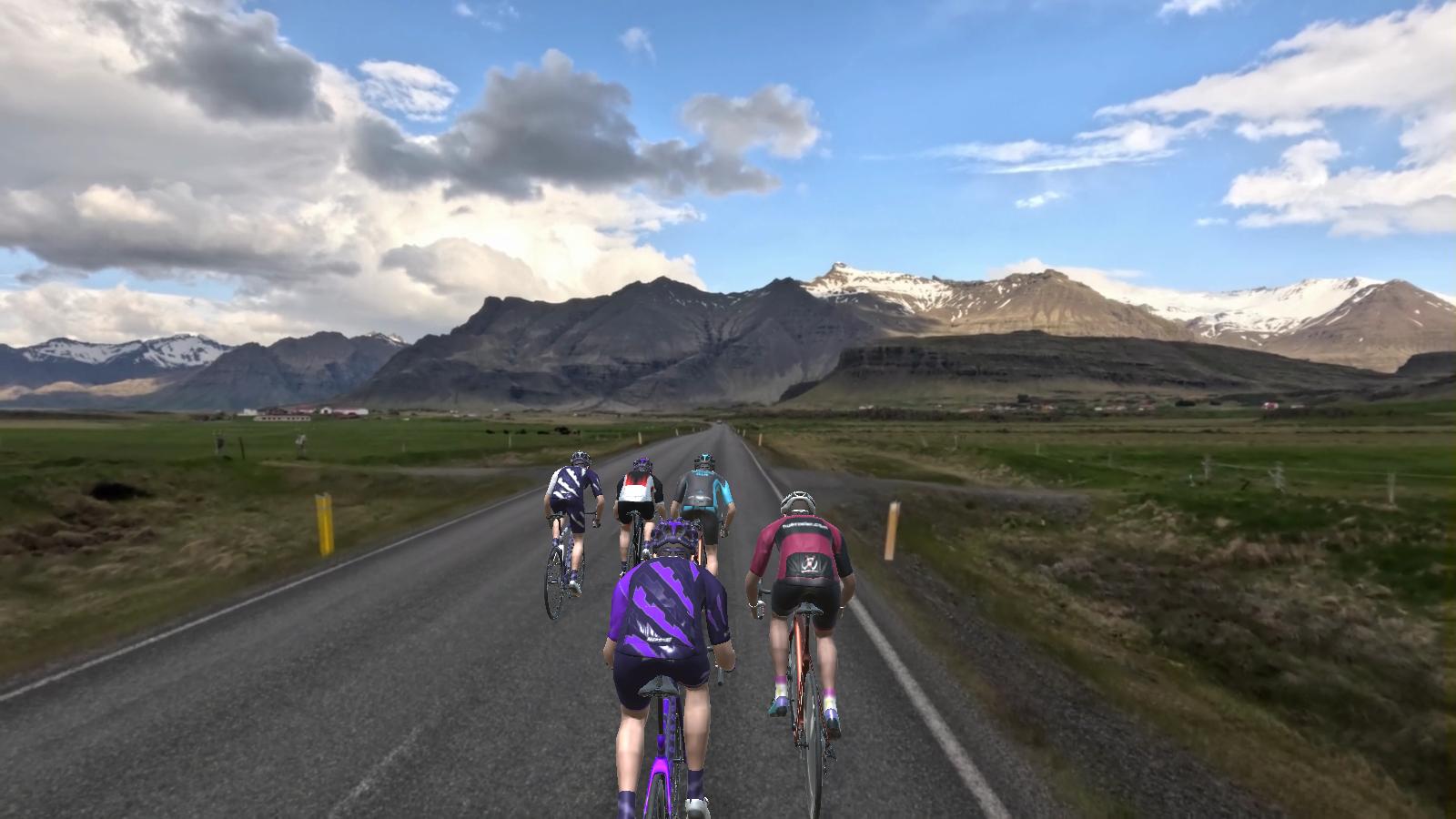
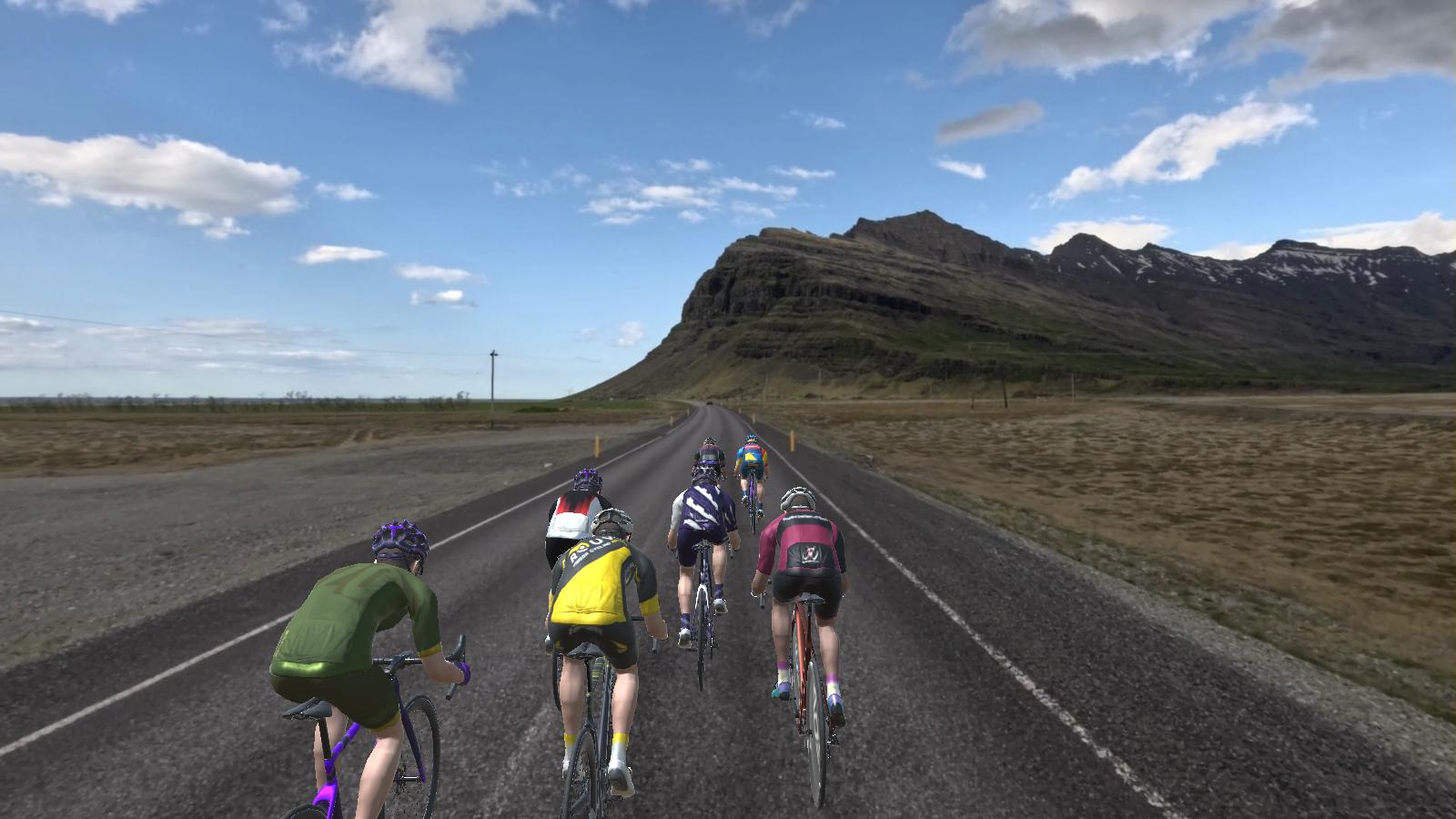
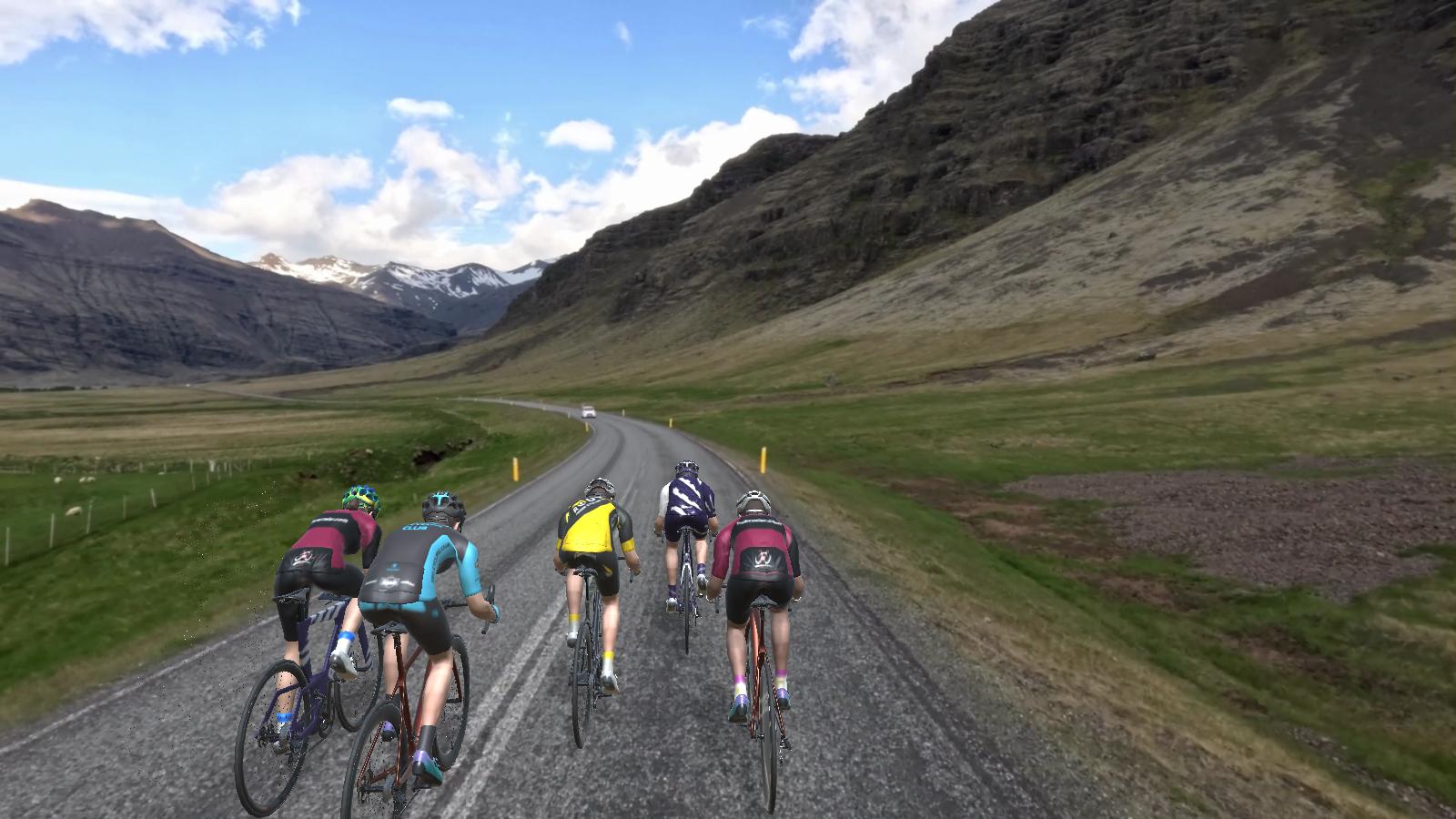
Another great group ride today in Iceland. We had a good ride with over 21 riders. There were some rolling hills and a 4% climb in the first few miles of the course. Overall, a flat course for the most part.
The sprint came down to 4-5 riders with Davy Cochrane from Britain (50-59) taking the sprint. It was a great group effort for everyone!
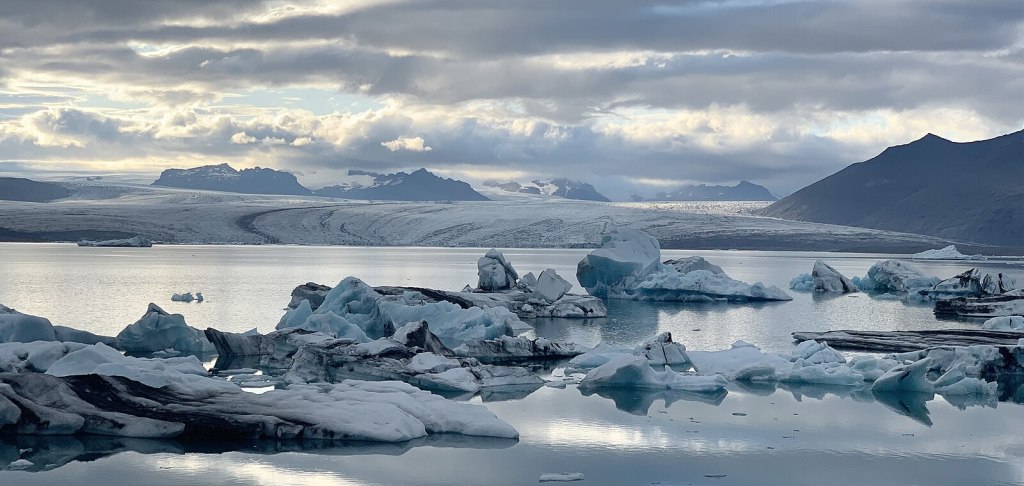
Jökulsárlón Glacier Lagoon is Iceland’s most famous glacier lagoon, located in Southeast Iceland along Route 1. It features stunning views of icebergs floating in the lagoon, and various boat tours are available for visitors to experience the icebergs up close.
Continuing along the ring road, Jökulsárlón Glacier Lagoon is the endpoint of this route bordering Vatnajökull National Park in southeastern Iceland. Its still, blue waters are dotted with icebergs from the surrounding Breiðamerkurjökull Glacier, part of the bigger Vatnajökull Glacier. It flows through a short waterway into the Atlantic Ocean, leaving chunks of ice on a black sand beach, giving you a close-up view of some of the island’s most impressive landscapes. (from ROUVY blog)
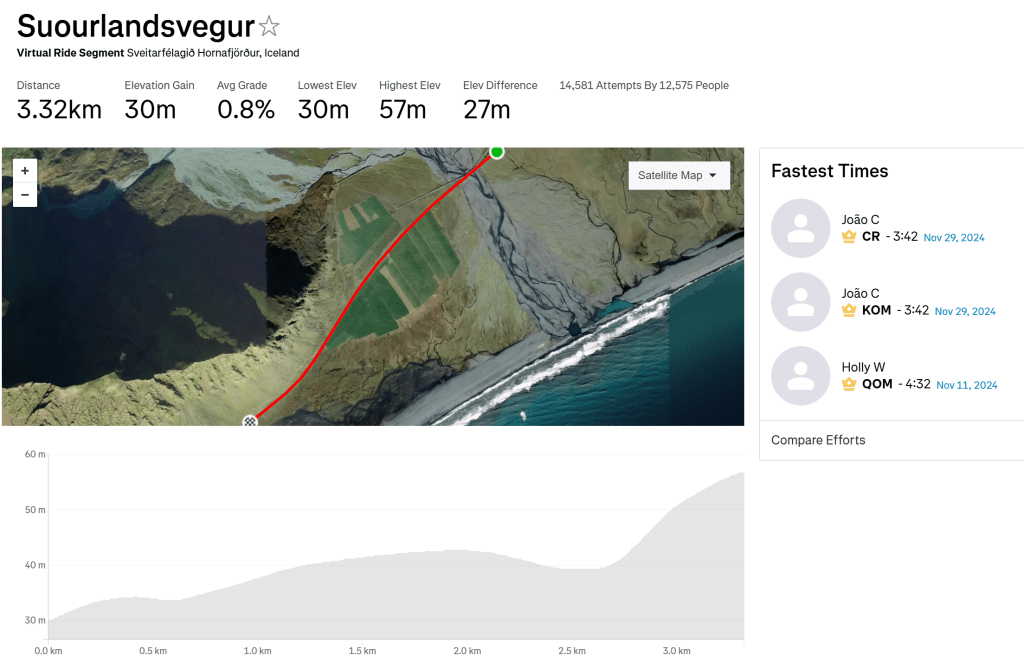
The STRAVA course LIVE segment section is Suourlandsvegur.
HISTORICAL:
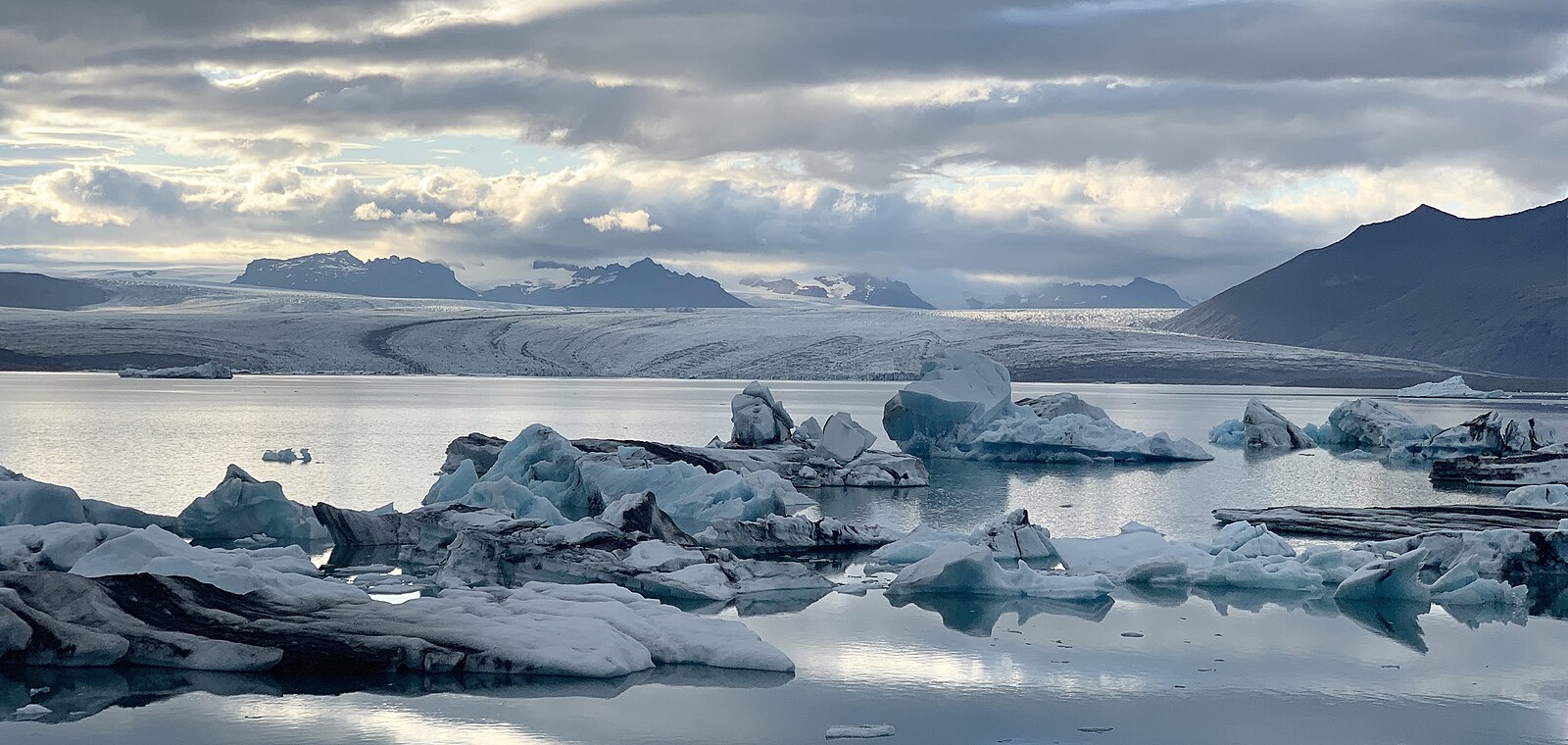
The Jökulsárlón lake provides outstanding views of the ice cap, a vast dome of ice that rises to a height of 3,000 ft (910 m). It spills to the lagoon 12 mi (19 km) away from the jagged glacier hill to the edge of the water line.
The lake developed only about 60 years ago (1948 is mentioned), when the entire area was less than 100 ft (30 m) of glacier, which was only 250 yd (230 m) from the Atlantic Ocean, and 2 mi (3.2 km) away from Vatnajökull. Vatnajökull was at the shore line of the ocean and dropped icebergs into the ocean. However, it started drifting inland rapidly every year, leaving deep gorges en route, which got filled with melted water and large chunks of ice. These icebergs gather at the mouth of the lake’s shallow exit, melt down into smaller ice blocks, and roll out into the sea. In summer, icebergs melt and roll down the channel into the sea. The lake does not freeze in winter. Ice water and soil make a unique ecological phenomenon.[citation needed] Jökulsárlón Lake, the “glacier lake”, was reported to have doubled in size in the 15-year period before 2007. The huge blocks of ice that calve from the edge of Vatnajökull are about 30 m (98 ft) high, which fills the lagoon stocked with icebergs. Some icebergs appear naturally sculpted on account volcanic ash from ancient eruptions that partly covers them. (Wikipedia)





COURSE COMMENTS:
This course is a middle distance course of 22.31 miles with an average gradient of 1% and a max gradient of 7%, elevation 629.92 feet. The course was added to ROUVY on September 16, 2024.
Here are some stats:


 Al's Ride Club
Leave a comment